What Are Host Plants?
We all know that butterflies start out as caterpillars, right? But have you ever -really- thought about what that means in the real world? Where do they -actually- come from?
We love to see butterflies fluttering about, hovering from bloom to bloom. They’re regal, peaceful, and some of our favorite garden visitors. We plant nectar-rich flowers to attract them, and we enjoy watching them feed.
But what about before they’re in their butterfly form?
What do they eat?
Let’s talk about the fascinating world of butterflies, their larvae, and the plants they eat.
Here in Central Texas, we are fortunate to have an incredible diversity of native butterflies and moths. They play an important role in the ecosystem, helping support pollination and serving as food for birds and other wildlife. Most gardeners would consider butterflies among the most welcome visitors in the landscape. We’d call them “beneficial,” right?
But what about those pesky caterpillars chewing holes in your plants? Beneficial… or not?
It’s important to consider the natural balance of the ecosystem and recognize that many of those caterpillars are doing exactly what they’re supposed to do to support a new generation of beneficial pollinators. If we want butterflies, we have to make room for the caterpillars that come first.
If you’ve shopped at the nursery, you may have seen the little icon on our house-made plant signs that indicates “host plant”. Those are there to help you choose plants for pollinators.
A Larval Host Plant is the specific plant a butterfly chooses to lay its eggs on because its caterpillars can eat that plant once they hatch. And caterpillars are surprisingly picky eaters! Butterflies and moths have very specific hosts, meaning they will ONLY eat the leaves of certain species of plants. One known for its limited palate is a crowd favorite, the Monarch.
Monarch caterpillars only feed on plants of the species asclepias, or milkweed. Female monarchs know to lay their eggs on milkweed, and when the tiny caterpillars emerge, they feast!
Gulf Fritillary butterflies depend on passionvine as their host plant. If you’ve ever grown passionvine and noticed bright orange caterpillars munching away, congratulations! Your garden is helping raise the next generation of butterflies.
Black Swallowtail caterpillars feed on plants in the carrot family, of which there are many that are native to Texas. A few common garden crops serve that purpose as well: dill, parsley, fennel, and rue can be shared in support of new generations of swallowtails. The striped caterpillars look similar to monarch caterpillars, but you’ll know they’re not monarchs because of what they’re eating! As a side note: if you want to see the life cycle process from start to finish, rue is a great beginner plant and consistently hosts very noticeable caterpillars.
Question Mark and Mourning Cloak butterflies use native Elm and Hackberry trees as their hosts.
The list goes on.
Modern gardening often encourages us to see every chewed leaf as a problem. But sometimes a leaf with holes in it is evidence that your garden is alive and functioning exactly as it should. Before reaching for an insecticide, try to take a closer look at what’s actually eating the plant. Is it causing serious damage, or is it simply participating in a natural cycle that supports wildlife?
An important consideration is to distinguish native species from invaders. When you plant native plants, you’re going to bring in native pollinators- in all their life stages. The most pesky pests are usually found on plants that are not native to this area of the state. Those are the ones that maybe don’t have natural predators or other ways of being controlled in a balanced way. That’s a conversation for another day.
The most wildlife-friendly gardens include both nectar plants for adult butterflies and host plants for their caterpillars. Perhaps one of the greatest joys of gardening is seeing the chewed leaves and thinking “That’s going to be beautiful!”
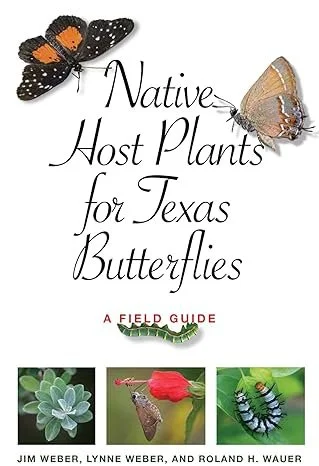
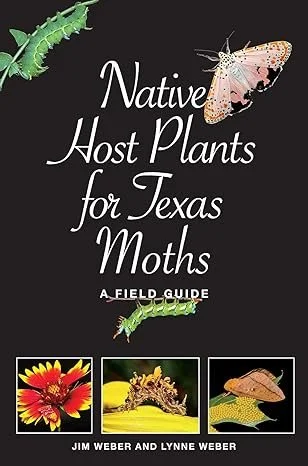
We recommend these books! If you shop through our links, we get a little kickback and appreciate it greatly!